Volunteers Are Gluing Seeds to Clams for a Surprisingly Good Reason
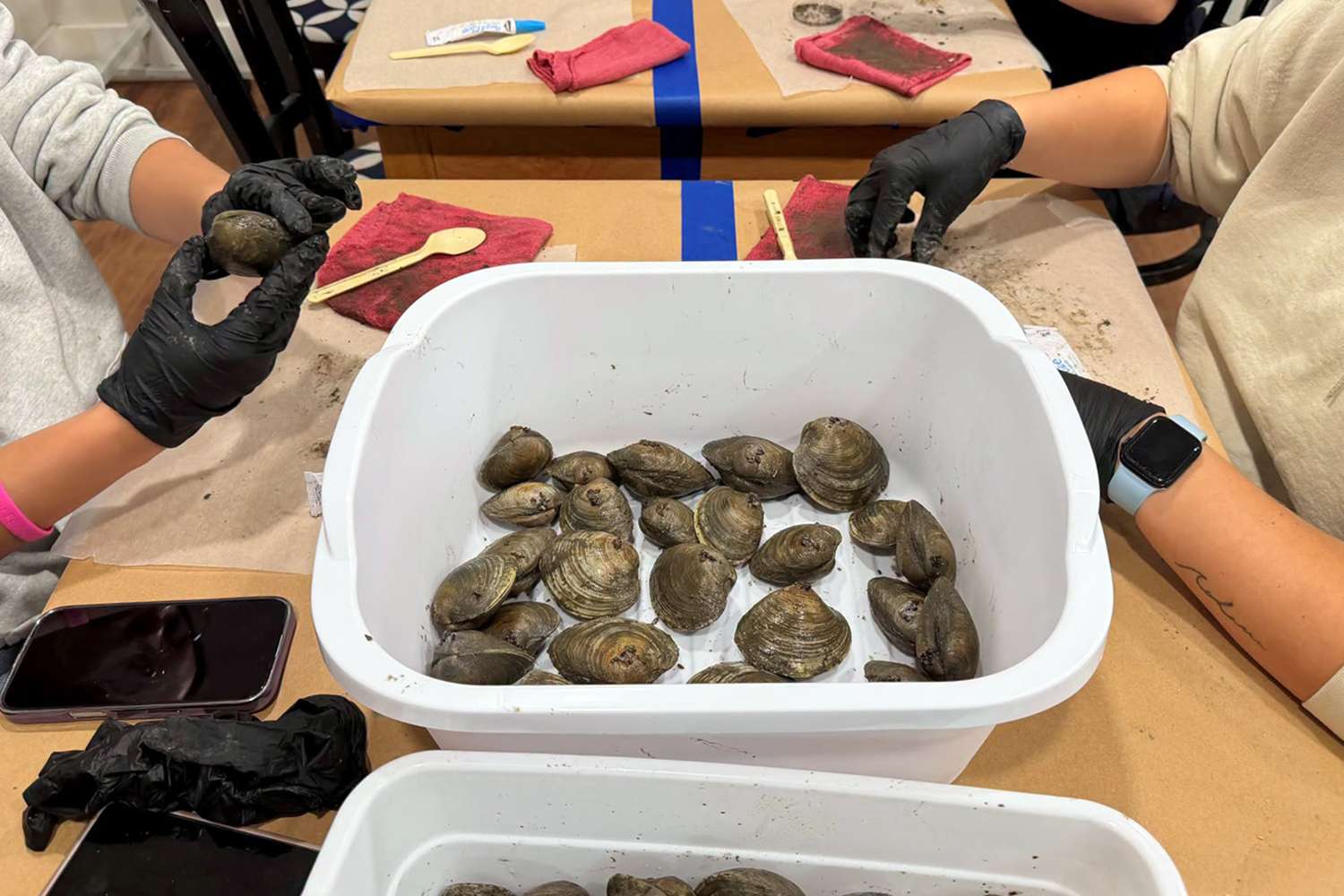
Volunteers in Connecticut are gluing seeds to live clamsCredit: The Connecticut Audubon Society/Facebook
The Connecticut project aims to restore eelgrass meadows that support young marine life, stabilize shorelines and improve water quality
Clams naturally burrow into the seafloor, helping eelgrass seeds reach sandy areas where they can grow
Conservation teams hope to release 10,000 clams carrying 300,000 seeds after encouraging early results
Along the Long Island Sound, conservation teams in Connecticut are trying a creative approach to bring back eelgrass, an underwater plant that plays an important role in keeping coastal waters healthy.
The idea is surprisingly simple: attach tiny plant seeds to clam shells and let the clams do the planting, according to Popular Science. The project is funded by Restore America’s Estuaries, the Connecticut Audubon Society said in a statement.
Eelgrass meadows are more than just patches of greenery beneath the water. They provide shelter for young fish and other small sea creatures, help keep shorelines from washing away, and improve water quality, Popular Science reported. But these underwater habitats have declined dramatically over the years, making it harder for marine life to find the places it needs to survive.
Bringing them back hasn’t been easy. Earlier restoration efforts have struggled, so researchers and environmental groups are testing a different approach that lets nature do some of the work.
The process starts by attaching eelgrass seeds to the shells of clams, Popular Science noted. Once the clams are placed back into the water, they naturally burrow into the seafloor, carrying the seeds down with them.
Rather than scattering seeds and hoping they settle in the right place, this method gives them a better chance of reaching the sandy bottom where they can begin to grow.
The project began testing this idea in 2025. Early results have been encouraging: follow-up images showed a significant increase in the area covered by eelgrass. The team is still watching to see whether the new plants can survive and establish themselves over time.
Getting the seeds to stay attached to the clams has taken some experimenting, according to the outlet. The team initially used a special glue developed for underwater restoration projects. Later, a biologist at Connecticut College found that thin pieces of rice paper — the kind commonly used to make spring rolls — could help keep the seeds in place and improve their chances of sprouting.
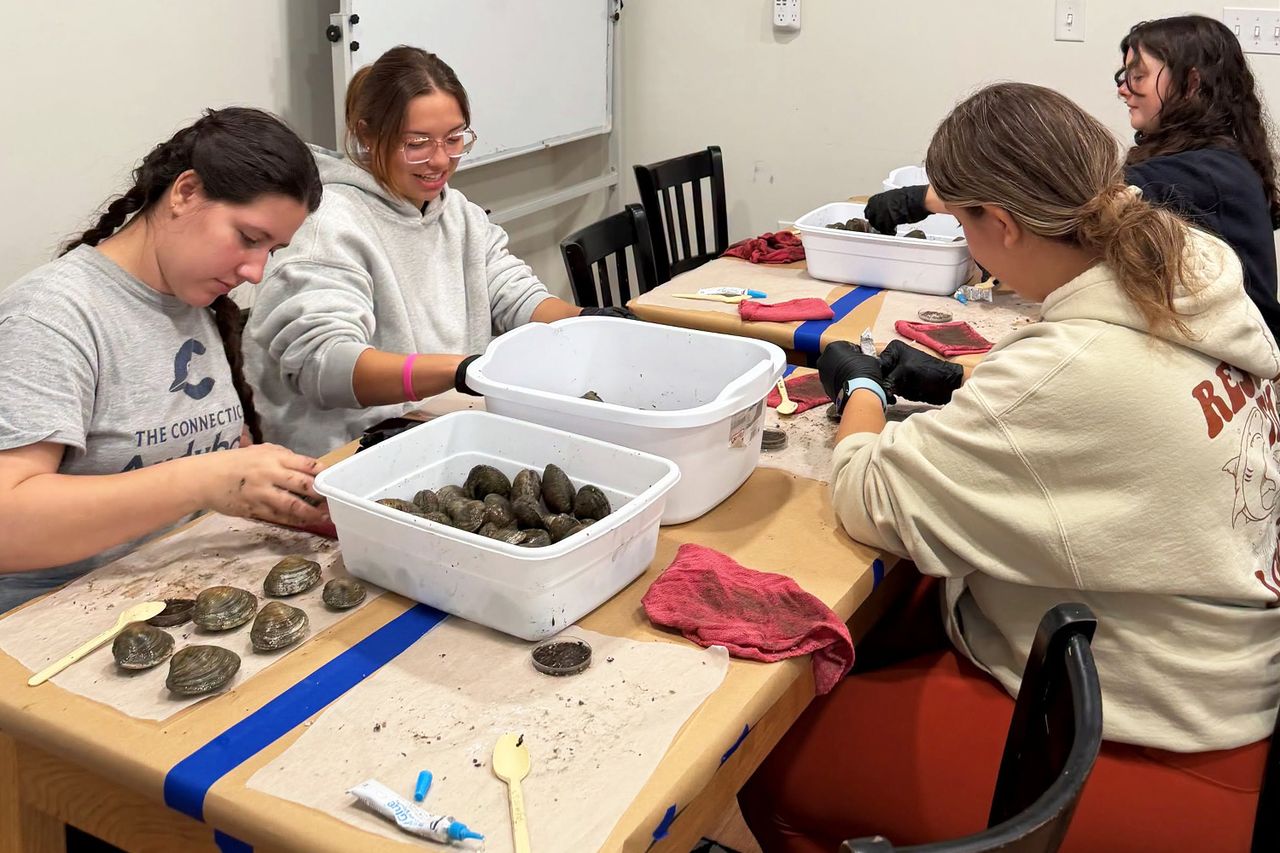
Volunteers attaching tiny seeds to clam shellsCredit: The Connecticut Audubon Society/Facebook
The paper is dampened and placed over a small group of seeds on the clam’s shell. A ring of glue helps hold everything together long enough for the clam to reach the seafloor. As the paper breaks down, the seeds are released nearby.
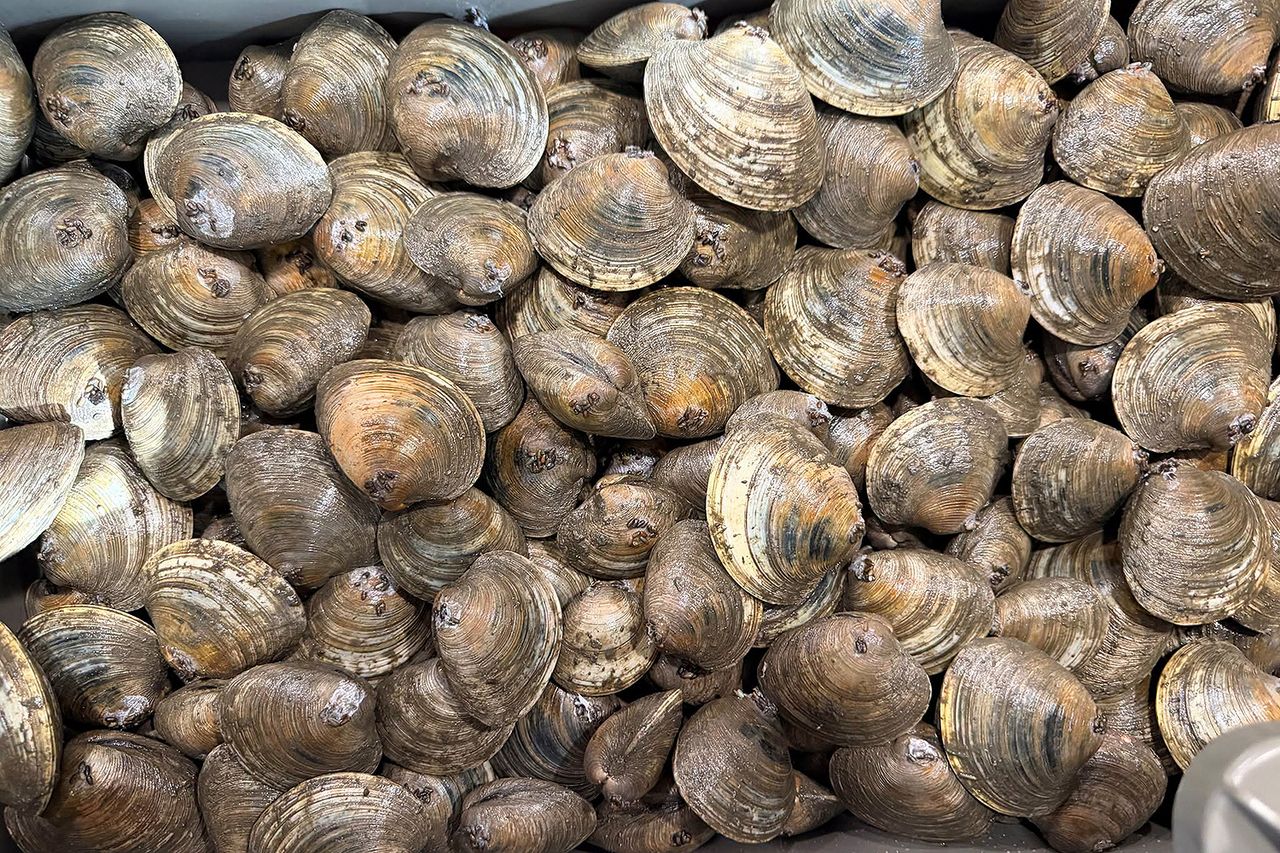
Live clams are being used to help keep the waters healthyCredit: The Connecticut Audubon Society/Facebook
Healthy eelgrass beds can make a real difference for coastal ecosystems. They create hiding places for young marine animals, help stabilize the bottom, and filter the surrounding water. Restoring them could help support a wider range of life in the Long Island Sound.
The team behind the project hopes to release 10,000 clams carrying a combined 300,000 eelgrass seeds during the current planting season, according to Popular Science.
— sign up for PEOPLE’s free daily newsletter to stay up-to-date on the best of what PEOPLE has to offer, from celebrity news to compelling human interest stories.
There’s still a long way to go before the effort can be considered a lasting success. The plants need time to grow and survive, and early progress doesn’t guarantee that the restored meadows will remain healthy.
Source: Nature



0 Comments